Many Nigerian founders, pastors and executives reach a point where they want their story in a book. Then the first question stops them: should it be an autobiography, a biography, or something else? The autobiography vs biography choice shapes who writes the book, how it sounds, how long it takes and what readers expect from it.
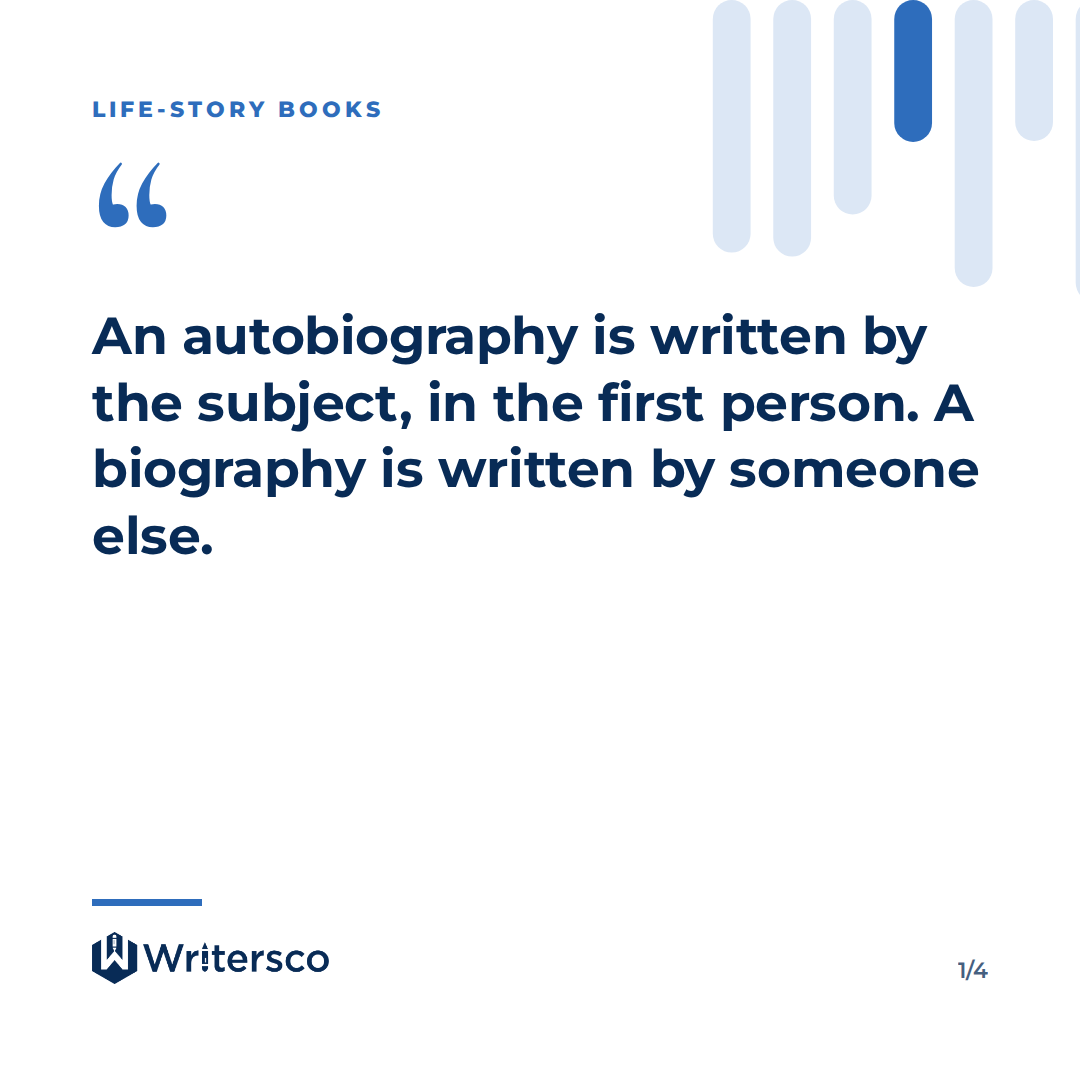
The short version: an autobiography is written by the subject, in the first person. A biography is written by someone else, in the third person. But the practical differences go deeper than that, and a third option, the memoir, often fits a leader’s goals better than either.
We are the WritersCo team, and we help founders and professionals turn their experience into published books. This guide gives you the plain differences and a way to decide.
- An autobiography is written by the subject (first person); a biography is written by another author (third person).
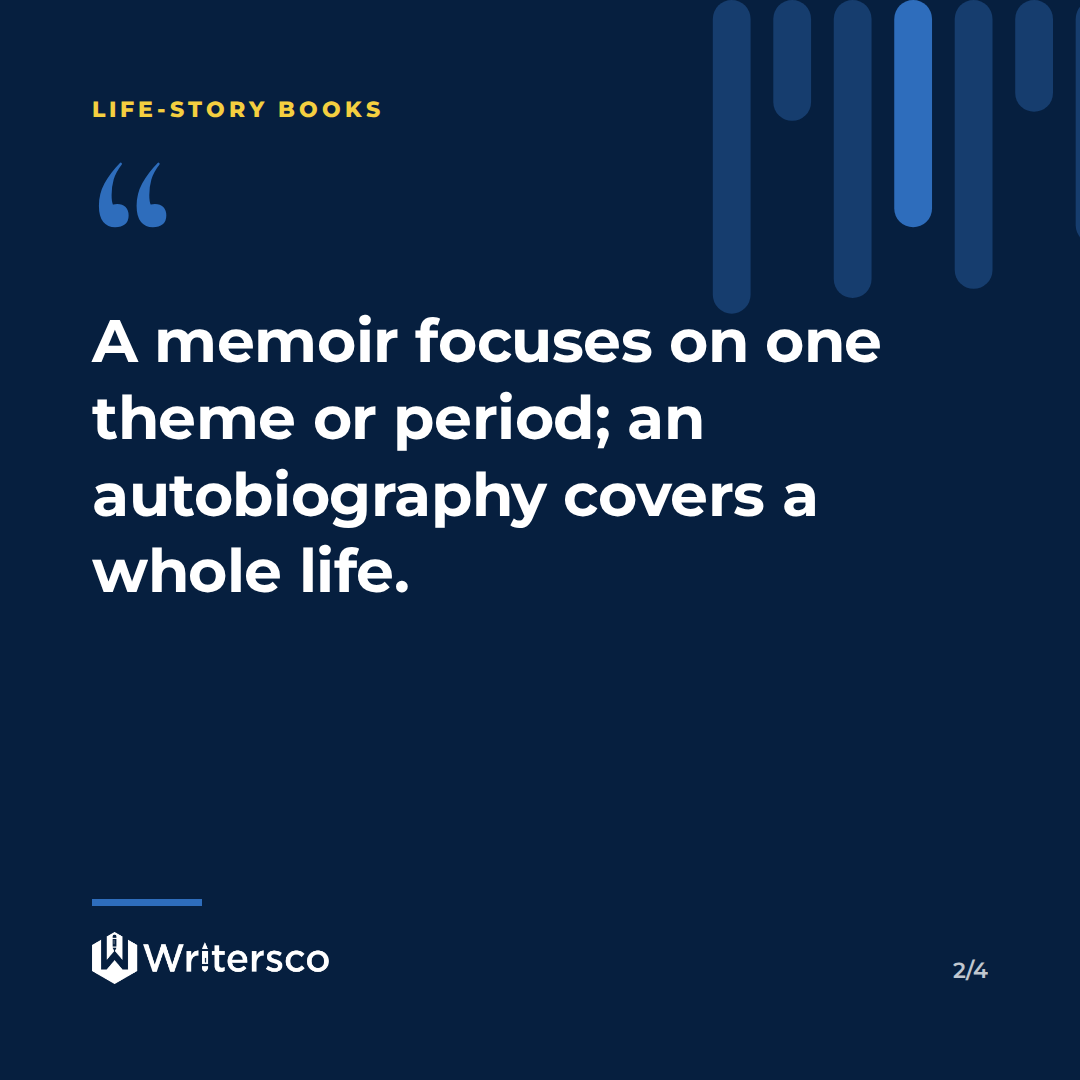
- Autobiographies cover a whole life; memoirs zoom in on one theme or period, which suits most leaders.
- You can write an autobiography with a collaborator or ghostwriter and still keep it your own story.
1 What is an autobiography?
An autobiography is an account of a person’s life, told by that person. The Oxford English Dictionary, as quoted in Southern Connecticut State University’s library guide, defines it as “an account of a person’s life given by himself or herself, especially one published in book form.”
Because the author is the subject, it is written in the first person (“I started the company in…”). It usually runs in chronological order and tries to cover a long span of life, often from childhood to the present.
An autobiography is written by the subject, sometimes with the assistance of a ghostwriter, and tends to be less objective than a traditional biography. Read more in EBSCO’s overview of biography types.
That last point matters for leaders: because you are telling your own story, readers expect your viewpoint, not a neutral verdict.
2 What is a biography?
A biography tells the story of a person’s life and is written by someone else. Library guidance describes it as a secondary source, since it reports on the subject from the outside.
Biographies use the third person (“She started the company in…”), carry a more formal and objective tone, and rely on outside research: interviews, records, press coverage and documents. They can be written with or without the subject’s cooperation.
Biographies are always written in the third person and usually cover the subject’s whole life, with details such as birthplace, education, work history and relationships. See the Author Learning Center’s comparison.
3 Autobiography vs biography: side by side
Autobiography
Who writes it: the subject, or a ghostwriter working with them
Voice: first person, personal
Research: memory, personal records, photos, interviews with people close to you
Tone: reflective, subjective
Control: you decide what goes in
Biography
Who writes it: another author
Voice: third person, formal
Research: outside interviews, archives, documents, public record
Tone: more objective and analytical
Control: the author decides, even when you cooperate
4 Where the memoir fits
Most people comparing autobiography vs biography miss the third genre. A memoir is also written by the subject in the first person, but it does not try to tell the whole life. EBSCO notes that a memoir focuses on a specific aspect or period of the author’s life and is more reflective, aiming for emotional connection rather than a full record of facts.
So the “biography vs autobiography vs memoir” question really comes down to two choices: whose voice, and how much of the life.
An autobiography records a life. A memoir uses part of that life to teach, move or persuade the reader.
The WritersCo team5 Which one should you write? A decision guide
- Decide whose voice should carry the book. If you want readers to hear you directly, write an autobiography or memoir. If you want an independent account, a biography is the route.
- Decide how much life to cover. A whole-life record points to an autobiography. A single theme, such as building a business through a crisis, or a decade of ministry, points to a memoir.
- Decide what the book must do. Build authority, attract clients or speaking invitations, leave a family legacy, or document an organisation. Goals shape the structure.
- Check your source material. Autobiographies lean on your memory and records. Biographies need documents and willing interviewees.
- Decide who does the writing. You can write it yourself, work with a collaborator, or use a ghostwriter who interviews you and drafts in your voice.
6 Practical notes for Nigerian leaders
A few points apply specifically to founders, pastors and executives here:
- Founders and CEOs usually get the most from a memoir or a business-focused autobiography that ties personal lessons to the company story.
- Pastors and ministry leaders often choose a memoir built around a season of faith, calling or testimony rather than a full chronology.
- Legacy projects for a respected elder or a late founder are often biographies, since the family or organisation commissions an outside writer.
- Time-poor executives do not need to write every word. Ghostwriting is a normal, established way to produce an autobiography, as the EBSCO source above notes.
If you want to understand what professional help costs, read our guide to ghostwriting cost in Nigeria. For the full route from idea to printed book, see how to write and publish a book as a Nigerian founder.
7 Mistakes to avoid
- Trying to include everything. A book that covers every year usually reads like a CV. Choose the chapters that serve the reader.
- Writing for yourself only. Ask what the reader will learn or feel, not just what you want to record.
- Treating a biography as a flattery piece. Readers trust balanced accounts. If you want full control of the message, write in your own voice.
- Skipping the structure. Settle the outline and the audience before drafting.
Frequently Asked Questions
What is the main difference between an autobiography and a biography?
An autobiography is written by the subject about their own life, in the first person. A biography is written by someone else, in the third person.
Is a memoir the same as an autobiography?
No. Both are first-person accounts by the subject, but an autobiography covers a whole life while a memoir focuses on a particular theme or period and is more reflective.
Can I use a ghostwriter for my autobiography?
Yes. Reference sources such as EBSCO note that autobiographies are sometimes written with the help of a ghostwriter. The story and viewpoint remain yours; the writer shapes them into a finished book.
Does a biography need the subject’s permission?
Not necessarily. Biographies can be written with or without the subject’s authorisation, though cooperation usually gives the author better access to material.
Which is better for a business leader?
It depends on your goal. Leaders who want authority and lessons to travel usually choose a memoir or a focused autobiography. A biography suits legacy or independent-account projects.
How long does it take to write a life-story book?
It varies with scope, research and how many interviews are needed, so agree a timeline with your writer at the outline stage.
Tell us the story you want to leave behind, and we will help you choose the right format and turn it into a book that carries your voice.
Talk to us about your book